
ฟื้นฟูร่างกายจากการบาดเจ็บ เพื่อกลับมาเคลื่อนไหวอย่างมั่นใจInjury Rehabilitation — Move with Confidence Again
ดูแลการบาดเจ็บจากการออกกำลังกาย การใช้งานร่างกาย หรือกิจกรรมในชีวิตประจำวัน ด้วยการประเมินและกายภาพบำบัดที่ออกแบบให้เหมาะกับแต่ละบุคคลCare for injuries from exercise, physical activity, or daily life — through an assessment and physiotherapy designed around you.
ดูแลโดยนักกายภาพบำบัดวิชาชีพ • รองรับภาษาไทยและอังกฤษCare by licensed physiotherapists • Thai & English supported
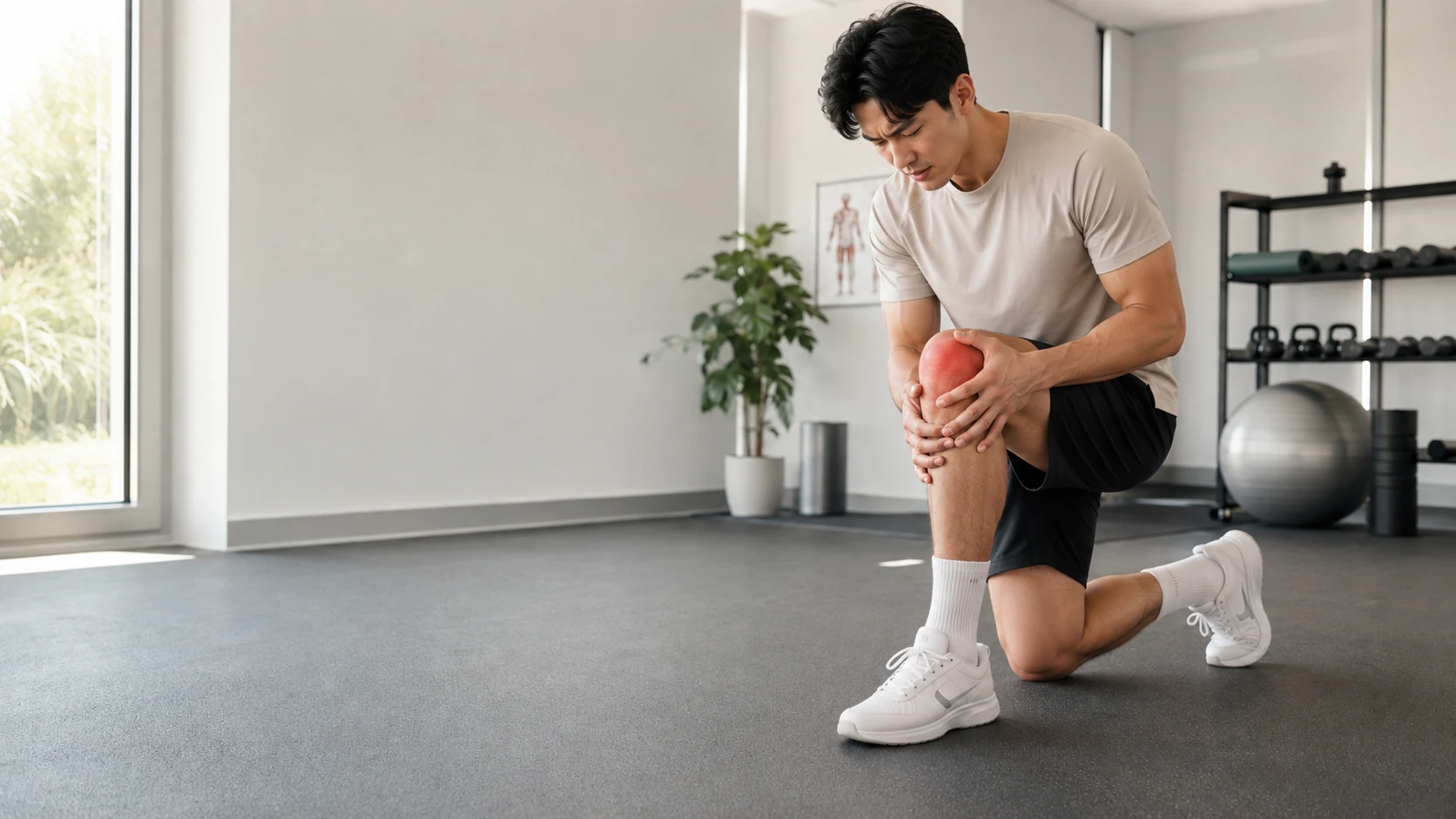
การฟื้นฟูหลังการบาดเจ็บ สำคัญกว่าการรอให้อาการหายเองRehabilitation Matters More Than Just Waiting to Heal
อาการบาดเจ็บจากการออกกำลังกายหรือการใช้งานร่างกาย อาจส่งผลต่อความแข็งแรง การทรงตัว การควบคุมการเคลื่อนไหว และความมั่นใจในการกลับไปใช้งานร่างกายInjuries from exercise or physical activity can affect your strength, balance, movement control, and confidence in using your body again.
การฟื้นฟูที่เหมาะสมช่วยให้ร่างกายค่อย ๆ กลับมาเคลื่อนไหวได้ดีขึ้น ลดโอกาสใช้งานผิดรูปแบบ และช่วยวางพื้นฐานสำหรับการกลับไปออกกำลังกายหรือใช้ชีวิตประจำวันอย่างมั่นใจมากขึ้นThe right rehabilitation gradually restores movement quality, reduces compensation patterns, and builds the foundation for confidently returning to exercise or daily life.
สัญญาณที่บ่งบอกว่าร่างกายยังต้องการการฟื้นฟูSigns Your Body Still Needs Rehabilitation
อาการบางอย่างอาจดีขึ้นแล้ว แต่ร่างกายอาจยังไม่พร้อมกลับไปใช้งานเต็มที่Some symptoms may have improved, but your body may not be fully ready to return to full activity.
ปวดเมื่อเริ่มกลับไปออกกำลังกายPain when returning to exercise
อาการกลับมาเมื่อวิ่ง กระโดด หรือใช้งานหนักขึ้นSymptoms return with running, jumping, or heavier loads
ยังรู้สึกไม่มั่นคงStill feels unstable
เช่น ขา เข่า หรือข้อเท้าไม่มั่นใจเวลาเคลื่อนไหวSuch as the leg, knee, or ankle feeling unsure during movement
แรงกล้ามเนื้อลดลงReduced muscle strength
รู้สึกข้างที่บาดเจ็บอ่อนแรงกว่าปกติThe injured side feels weaker than usual
การทรงตัวไม่ดีเหมือนเดิมBalance isn't the same as before
รู้สึกควบคุมการเคลื่อนไหวได้ไม่เต็มที่Movement control doesn't feel fully there
ยังกลัวการเคลื่อนไหวบางท่าStill afraid of certain movements
เช่น กลัวลงน้ำหนัก กลัวเปลี่ยนทิศทาง หรือกลัวเจ็บซ้ำSuch as fear of weight-bearing, changing direction, or re-injury
กลับไปออกกำลังกายแล้วยังไม่มั่นใจBack to exercise, but still unsure
แม้อาการปวดลดลง แต่ยังไม่พร้อมใช้ร่างกายเต็มที่Even with less pain, not yet ready for full activity
ทำไมการฟื้นฟูจึงสำคัญ หลังอาการบาดเจ็บเริ่มดีขึ้นแล้วWhy It Matters Even After Symptoms Improve
อาการเจ็บลดลงไม่ได้หมายความว่าร่างกายกลับมาพร้อมใช้งานเต็มที่เสมอไป เพราะยังอาจมีความต่างของแรงกล้ามเนื้อ การควบคุมการเคลื่อนไหว หรือรูปแบบการลงน้ำหนักที่เปลี่ยนไปLess pain doesn't always mean your body is fully ready — muscle strength, movement control, or weight-bearing patterns may still be different.
รูปแบบการเคลื่อนไหวอาจเปลี่ยนไปMovement Quality May Change
ร่างกายอาจชดเชยโดยไม่รู้ตัว ทำให้ใช้บางส่วนหนักกว่าปกติThe body may compensate unknowingly, overloading certain areas.
กล้ามเนื้ออาจยังไม่แข็งแรงพอStrength Deficit
แม้อาการปวดลดลง แต่กำลังของกล้ามเนื้ออาจยังไม่กลับมาเท่าเดิมEven with less pain, muscle strength may not have fully returned.
การทรงตัวและการควบคุมอาจยังไม่พร้อมBalance & Control
โดยเฉพาะในกิจกรรมที่ต้องใช้ความเร็วหรือเปลี่ยนทิศทางEspecially in activities requiring speed or direction changes.
เสี่ยงกลับมาเจ็บซ้ำRisk of Reinjury
หากกลับไปใช้งานเร็วเกินไปโดยยังไม่ได้ฟื้นฟูอย่างเหมาะสมIf returning to activity too soon without proper rehabilitation.
เราเริ่มจากการประเมิน ไม่ใช่เดาจากอาการเพียงอย่างเดียวWe Start with Assessment — Not Guesswork
นักกายภาพบำบัดจะประเมินการเคลื่อนไหว ความแข็งแรง การทรงตัว ความยืดหยุ่น และกิจกรรมที่เกี่ยวข้องกับอาการ เพื่อวางแผนการฟื้นฟูที่ตรงกับเป้าหมายของแต่ละบุคคลYour physiotherapist assesses movement, strength, balance, flexibility, and activity-related factors to plan rehabilitation matched to your goals.
การประเมินการเคลื่อนไหวMovement Assessment
การทดสอบความแข็งแรงStrength Testing
การทรงตัวและความมั่นคงBalance & Stability
สมรรถภาพเชิงหน้าที่Functional Performance
ความพร้อมกลับสู่กิจกรรมReturn-to-Activity Readiness
ฟื้นฟูอย่างเป็นขั้นตอน เพื่อให้ร่างกายกลับมาทำงานได้ดีขึ้นStructured Rehabilitation for Better Function
แนวทางการฟื้นฟูจะปรับตามบริเวณที่บาดเจ็บ ความสามารถในการเคลื่อนไหว ระดับความแข็งแรง และเป้าหมายของแต่ละบุคคลRehabilitation is adjusted to the injured area, movement ability, strength level, and your personal goals.
PAIN & LOAD MANAGEMENTPAIN & LOAD MANAGEMENT
จัดการอาการและระดับการใช้งานPain & Load Management
ช่วยให้ร่างกายกลับมาเคลื่อนไหวในระดับที่เหมาะสม โดยไม่กระตุ้นอาการมากเกินไป อาจใช้ร่วมกับ Shockwave TherapyHelps the body move at an appropriate level without overloading symptoms, sometimes alongside Shockwave Therapy
MOBILITY & CONTROLMOBILITY & CONTROL
ฟื้นฟูการเคลื่อนไหวและการควบคุมMobility & Control
เน้นคุณภาพของการเคลื่อนไหว ไม่ใช่เพียงแค่ขยับได้ อาจเสริมด้วย High Power Laser TherapyFocused on movement quality, not just range, sometimes supported by High Power Laser Therapy
STRENGTH & CONDITIONINGSTRENGTH & CONDITIONING
เพิ่มความแข็งแรงและความพร้อมของร่างกายStrength & Conditioning
ฝึกกล้ามเนื้อและระบบร่างกายให้รองรับการใช้งานจริงTrains muscles and the body's systems to support real-world demands.
RETURN TO ACTIVITYRETURN TO ACTIVITY
เตรียมความพร้อมสู่กิจกรรมที่ต้องการกลับไปทำReturn to Activity
ค่อย ๆ เพิ่มระดับกิจกรรมให้เหมาะสมกับเป้าหมาย เช่น วิ่ง ออกกำลังกาย หรือกีฬาGradually increases activity level to match your goals — running, exercise, or sport.
การรักษาไม่ได้จบแค่ "อาการปวดน้อยลง"Treatment Doesn't End at "Less Pain"
เป้าหมายของการฟื้นฟูคือช่วยให้ร่างกายกลับมาใช้งานได้อย่างมั่นใจมากขึ้น ทั้งในเรื่องความแข็งแรง การทรงตัว การลงน้ำหนัก และความพร้อมต่อกิจกรรมจริงThe goal of rehabilitation is to help your body move with greater confidence — in strength, balance, weight-bearing, and readiness for real activity.
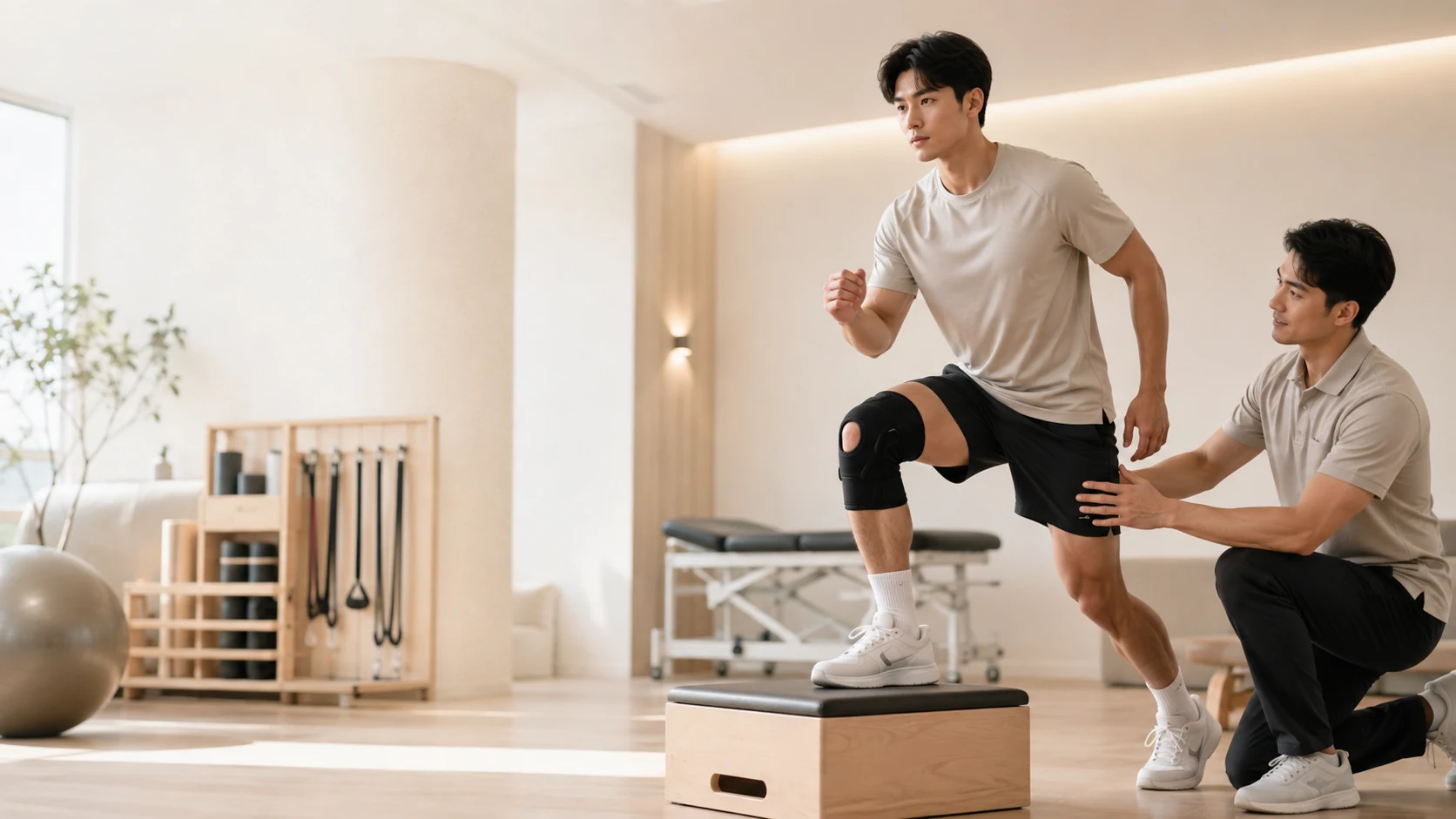
กลับไปออกกำลังกาย ไม่ใช่แค่กลับไป "พอทำได้"Return to Exercise — Not Just "Good Enough"
สำหรับคนที่ชอบออกกำลังกายหรือมี active lifestyle การฟื้นฟูควรช่วยให้ร่างกายกลับไปใช้งานได้อย่างมีคุณภาพ ไม่ใช่เพียงแค่ลดความเจ็บFor those with an active lifestyle, rehabilitation should restore quality movement — not just reduce pain.
วิ่งRunning
กลับไปวิ่งได้มั่นใจขึ้นRun again with more confidence
ฝึกกล้ามเนื้อStrength Training
กลับไปใช้แรงและฝึก strength ได้อย่างเหมาะสมTrain strength appropriately again
กีฬาและกิจกรรมSports & Activities
รองรับการเคลื่อนไหวที่ซับซ้อนมากขึ้นSupport for more complex movement
ชีวิตประจำวันDaily Life
ลุก เดิน ขึ้นลงบันได หรือใช้งานร่างกายได้อย่างคล่องตัวStand, walk, and move through stairs with ease
ขั้นตอนการฟื้นฟูร่างกายจากการบาดเจ็บSteps in Injury Rehabilitation
ประเมินอาการและการเคลื่อนไหวAssess Symptoms & Movement
ซักประวัติ ตรวจบริเวณที่บาดเจ็บ และดูรูปแบบการใช้งานร่างกายTake a history, examine the injured area, and observe movement patterns
กำหนดเป้าหมายการฟื้นฟูSet Rehabilitation Goals
เช่น ลดอาการ เพิ่มแรง กลับไปเดิน วิ่ง หรือออกกำลังกายSuch as reducing symptoms, building strength, or returning to walking, running, or exercise
วางโปรแกรมการฟื้นฟูPlan a Rehabilitation Program
เลือก exercise, movement training และแนวทางที่เหมาะกับแต่ละคนSelect exercises, movement training, and an approach tailored to you
ค่อย ๆ กลับไปสู่กิจกรรมGradually Return to Activity
ปรับระดับการใช้งานให้เหมาะสม เพื่อเพิ่มความมั่นใจและลดความเสี่ยงเจ็บซ้ำAdjust activity level appropriately to build confidence and reduce reinjury risk
เมื่อไหร่ควรเริ่มฟื้นฟู?When Should You Start Rehabilitation?
หากมีอาการเฉียบพลันรุนแรง บวมมาก ลงน้ำหนักไม่ได้ หรือสงสัยการบาดเจ็บรุนแรง ควรปรึกษาแพทย์เพื่อประเมินเพิ่มเติมIf you experience severe acute symptoms, significant swelling, inability to bear weight, or suspect a serious injury, please consult a doctor for further evaluation.
ฟื้นฟูด้วยเป้าหมายที่ชัดเจน สำหรับร่างกายของคุณRehabilitation with a Clear Goal, Built for Your Body
การประเมินโดยผู้เชี่ยวชาญProfessional Assessment
ประเมินโดยนักกายภาพบำบัดวิชาชีพAssessed by licensed physiotherapists
แผนการฟื้นฟูเฉพาะบุคคลIndividual Plan
ออกแบบแผนฟื้นฟูตามอาการและเป้าหมายDesigned around your symptoms and goals
การฟื้นฟูเชิงรุกActive Rehabilitation
เน้นการฟื้นฟูที่เชื่อมกับการเคลื่อนไหวจริงFocused on rehabilitation connected to real movement
Thai & EnglishThai & English
รองรับภาษาไทยและภาษาอังกฤษSupport in both Thai and English
คำถามที่พบบ่อยเกี่ยวกับการฟื้นฟูร่างกายจากการบาดเจ็บFAQ About Injury Rehabilitation
อาการปวดลดลงแล้ว ยังจำเป็นต้องฟื้นฟูหรือไม่?Pain has improved — is rehabilitation still necessary?
อาการปวดที่ลดลงไม่ได้แปลว่าร่างกายพร้อมใช้งานเต็มที่เสมอไป การฟื้นฟูช่วยดูเรื่องแรง การทรงตัว และการเคลื่อนไหวร่วมด้วยReduced pain doesn't always mean your body is fully ready. Rehabilitation also addresses strength, balance, and movement quality.
เมื่อไหร่จึงควรกลับไปออกกำลังกาย?When should I return to exercise?
ขึ้นอยู่กับอาการ ความพร้อมของร่างกาย และชนิดของกิจกรรม ควรประเมินความพร้อมก่อนเพิ่มระดับการใช้งานIt depends on your symptoms, physical readiness, and the type of activity. Your readiness should be assessed before increasing activity levels.
การฟื้นฟูเหมาะกับเฉพาะนักกีฬาหรือไม่?Is rehabilitation only for athletes?
ไม่จำเป็น ผู้ที่ออกกำลังกายเป็นประจำหรือมี active lifestyle รวมถึงผู้ที่อยากกลับไปใช้ชีวิตอย่างมั่นใจก็สามารถได้รับประโยชน์จากการฟื้นฟูได้Not at all. Regular exercisers, people with an active lifestyle, and anyone wanting to confidently return to daily life can benefit from rehabilitation.
ต้องทำกายภาพกี่ครั้ง?How many physiotherapy sessions will I need?
จำนวนครั้งขึ้นอยู่กับลักษณะอาการ เป้าหมาย และการตอบสนองของร่างกายแต่ละบุคคลThe number of sessions depends on your condition, goals, and your individual response to treatment.
สามารถฝึกความแข็งแรงระหว่างฟื้นฟูได้หรือไม่?Can I train strength while rehabilitating?
ทำได้ในระดับที่เหมาะสม และควรอยู่ภายใต้แนวทางที่สอดคล้องกับอาการและระยะของการฟื้นตัวYes, at an appropriate level, guided by an approach suited to your symptoms and stage of recovery.
อย่าปล่อยให้การบาดเจ็บ หยุดคุณจากการเคลื่อนไหวDon't Let an Injury Stop Your Movement
เริ่มต้นด้วยการประเมิน เพื่อวางแผนการฟื้นฟูที่เหมาะกับร่างกายและเป้าหมายของคุณStart with an assessment to plan the right rehabilitation for your body and goals.