
ปวดหลังส่วนล่าง
อย่าปล่อยให้รบกวนทุกการเคลื่อนไหวLower Back Pain
Don't Let It Hold Your Movement Back
ดูแลอาการปวดเอว ปวดหลังจากการนั่งนาน ยืน เดิน หรือยกของ ด้วยการประเมินและกายภาพบำบัดที่ออกแบบให้เหมาะกับแต่ละบุคคลRelief for lower back and lumbar pain from prolonged sitting, standing, walking, or lifting — through assessment and physiotherapy designed around you.
ดูแลโดยนักกายภาพบำบัดวิชาชีพ • รองรับภาษาไทยและอังกฤษBy licensed physiotherapists • Thai & English speaking

ปวดหลังส่วนล่าง เกิดจากอะไรได้บ้าง?What Can Cause Lower Back Pain?
อาการปวดหลังส่วนล่างเป็นปัญหาที่พบได้บ่อยในคนหลายช่วงวัย อาจเกิดจากกล้ามเนื้อทำงานหนักเกินไป การนั่งหรือยืนในท่าเดิมนาน ๆ การยกของ ท่าทางที่ไม่เหมาะสม หรือความแข็งแรงของกล้ามเนื้อแกนกลางลำตัวที่ไม่เพียงพอLower back pain is a common problem across many age groups. It can come from overworked muscles, staying in the same sitting or standing position too long, lifting, poor posture, or insufficient core muscle strength.
อาการของแต่ละคนอาจมีสาเหตุแตกต่างกัน การประเมินจึงเป็นขั้นตอนสำคัญก่อนเลือกแนวทางการรักษาThe cause differs from person to person, which is why a proper assessment is an essential first step before choosing a treatment approach.
อาการแบบไหนที่ไม่ควรมองข้ามSymptoms Worth Paying Attention To
สังเกตอาการที่อาจเกี่ยวข้องกับหลังส่วนล่างSigns that may be linked to your lower back
ปวดบริเวณเอวPain Around the Waist
รู้สึกปวด ตึง หรือเมื่อยบริเวณหลังส่วนล่างA dull ache, tightness, or fatigue in the lower back.
ปวดเมื่อนั่งนานPain When Sitting Long
อาการเพิ่มขึ้นหลังนั่งทำงานหรือขับรถเป็นเวลานานSymptoms worsen after long hours at a desk or driving.
ก้มหรือเงยลำบากDifficulty Bending or Arching
รู้สึกติด ตึง หรือเจ็บเมื่อเปลี่ยนท่าทางStiffness or discomfort when changing position.
ปวดร้าวไปสะโพกPain Radiating to the Hip
อาจรู้สึกปวดหรือไม่สบายบริเวณสะโพกร่วมด้วยMay come with discomfort around the hip area.
ปวดหลังยกของPain After Lifting
มีอาการหลังใช้แรง ยกของ หรือเคลื่อนไหวผิดท่าSymptoms appear after exertion, lifting, or an awkward movement.
ตึงหลังเมื่อตื่นนอนStiffness Upon Waking
รู้สึกหลังแข็งหรือตึงในช่วงเช้าหรือหลังอยู่ในท่าเดิมนานA stiff back in the morning or after long stillness.
ทำไมอาการปวดหลัง
จึงกลับมาเป็นซ้ำ?Why Does Back Pain Keep Coming Back?
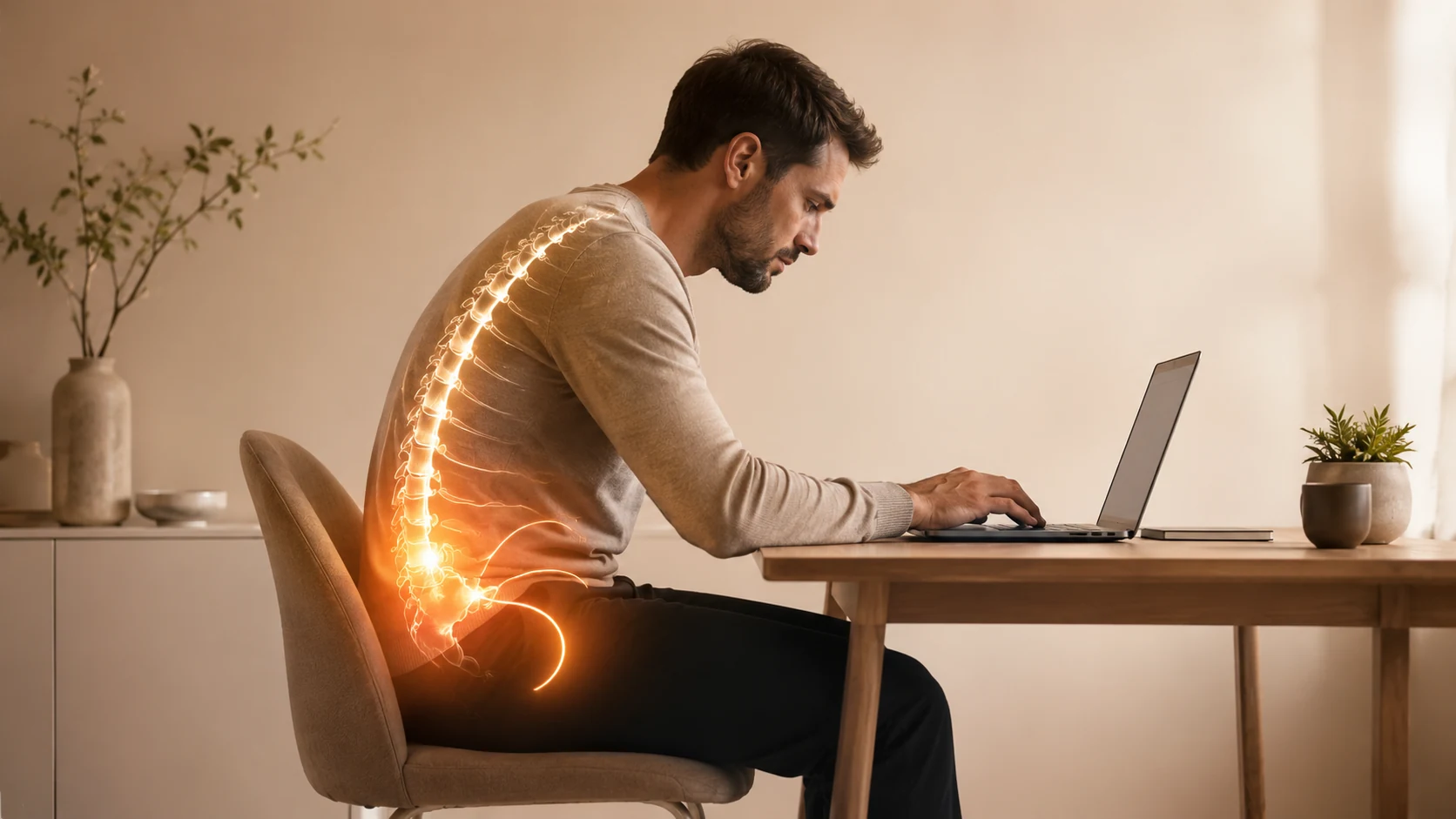
อาการปวดหลังไม่ได้เกิดจากจุดที่ปวดเพียงอย่างเดียว แต่สามารถเกี่ยวข้องกับท่าทาง การเคลื่อนไหว ความแข็งแรงของกล้ามเนื้อ และพฤติกรรมในชีวิตประจำวันBack pain rarely comes from the painful spot alone — it's often connected to posture, movement patterns, muscle strength, and daily habits.
ท่าทางไม่เหมาะสมPoor Posture
การนั่งหลังค่อม คอยื่น หรืออยู่ในท่าเดิมเป็นเวลานาน ทำให้แรงกระจายบริเวณหลังไม่สมดุลSlouching, a forward head, or staying still too long distributes load unevenly across the back.
กล้ามเนื้อแกนกลางอ่อนแรงWeak Core Muscles
กล้ามเนื้อหน้าท้อง หลัง และสะโพกมีส่วนช่วยพยุงกระดูกสันหลังAbdominal, back, and hip muscles help support the spine.
กล้ามเนื้อตึงหรือใช้งานไม่สมดุลTight or Imbalanced Muscles
กล้ามเนื้อบางส่วนอาจทำงานหนัก ขณะที่บางส่วนทำงานน้อยเกินไปSome muscles overwork while others are underused.
การใช้งานซ้ำหรือมากเกินไปRepetitive or Excessive Strain
การยกของ ก้มตัว หรือออกแรงซ้ำ ๆ อาจกระตุ้นให้เกิดอาการLifting, bending, or repetitive exertion can trigger symptoms.
ดูแลต้นเหตุ ไม่ใช่แค่ลดอาการปวดTreating the Root Cause, Not Just the Pain
นักกายภาพบำบัดจะประเมินการเคลื่อนไหว ความแข็งแรง ความยืดหยุ่น และปัจจัยที่เกี่ยวข้อง ก่อนเลือกแนวทางการรักษาให้เหมาะกับแต่ละบุคคลOur physiotherapists assess your movement, strength, flexibility, and contributing factors before selecting a treatment approach suited to you.
Manual TherapyManual Therapy
การรักษาด้วยมือHands-On Treatment
เทคนิคเพื่อช่วยลดความตึง เพิ่มการเคลื่อนไหว และปรับการทำงานของกล้ามเนื้อและข้อต่อTechniques to ease tension, improve mobility, and restore muscle and joint function.
Therapeutic ExerciseTherapeutic Exercise
การออกกำลังกายเพื่อการฟื้นฟูExercise for Recovery
ฝึกกล้ามเนื้อหลัง หน้าท้อง สะโพก และกล้ามเนื้อแกนกลาง เพื่อเพิ่มความแข็งแรงและการควบคุมการเคลื่อนไหวTraining the back, abdominal, hip, and core muscles to build strength and movement control.
Physical Therapy ModalitiesPhysical Therapy Modalities
เครื่องมือทางกายภาพบำบัดPhysiotherapy Equipment
สามารถเลือกใช้ Shockwave, High Power Laser, Ultrasound หรือวิธีอื่นตามความเหมาะสมของอาการShockwave, High Power Laser, Ultrasound, or other tools chosen to fit your condition.
Movement & Posture TrainingMovement & Posture Training
ฝึกท่าทางและการเคลื่อนไหวBuilding Better Movement Habits
แนะนำวิธีนั่ง ยืน ก้ม ยกของ และปรับพฤติกรรม เพื่อลดแรงที่ไม่จำเป็นบริเวณหลังGuidance on sitting, standing, bending, and lifting to reduce unnecessary load on the back.
การดูแลที่เริ่มจากการเข้าใจร่างกายของคุณCare That Starts With Understanding Your Body
ประเมินอาการAssessment
ซักประวัติและตรวจบริเวณที่มีอาการHistory taking and examination of the affected area
ประเมินการเคลื่อนไหวMovement Assessment
ตรวจท่าทาง ความยืดหยุ่น ความแข็งแรง และการเคลื่อนไหวของลำตัวChecking posture, flexibility, strength, and trunk movement
วางแผนการรักษาTreatment Planning
เลือกเทคนิคการรักษาตามสาเหตุและเป้าหมายของแต่ละบุคคลChoosing techniques based on your cause and goals
ฟื้นฟูและป้องกันRecovery & Prevention
ฝึก exercise และปรับพฤติกรรมเพื่อลดโอกาสเกิดอาการซ้ำExercise and habit changes to reduce recurrence
เมื่อไหร่ควรเข้ารับการประเมิน?When Should You Get Assessed?
หากมีอาการต่อเนื่องหรืออาการเริ่มรบกวนการทำงาน การเดิน การนอน หรือกิจวัตรประจำวัน ควรเข้ารับการประเมินเพื่อหาสาเหตุที่เหมาะสมIf symptoms persist or start interfering with your work, walking, sleep, or daily routine, it's time for an assessment to find the right cause.
หากมีอาการรุนแรงเฉียบพลัน ชาหรืออ่อนแรงมาก หรือมีอาการผิดปกติอื่นร่วมด้วย ควรปรึกษาแพทย์เพื่อประเมินเพิ่มเติมIf you experience sudden severe pain, significant numbness or weakness, or other unusual symptoms, please consult a doctor for further evaluation.
ดูแลทุกขั้นตอนอย่างเหมาะกับคุณCare Tailored to Every Step
Professional AssessmentProfessional Assessment
ประเมินโดยนักกายภาพบำบัดวิชาชีพAssessed by licensed physiotherapists
Individual PlanIndividual Plan
วางแผนเฉพาะบุคคลA treatment plan built around you
Modern PhysiotherapyModern Physiotherapy
ผสานการรักษาด้วยมือ การออกกำลังกาย และเครื่องมือCombining manual therapy, exercise, and equipment
Thai & EnglishThai & English
รองรับภาษาไทยและอังกฤษSupport in both Thai and English
หากอาการปวดหลังเกี่ยวข้องกับการออกกำลังกายหรือกิจกรรมที่ต้องฟื้นฟูร่างกาย ดูข้อมูลเพิ่มเติมได้ที่ ฟื้นฟูร่างกายจากการบาดเจ็บ If your back pain is related to exercise or an activity requiring rehabilitation, learn more about Injury Rehabilitation
คำถามที่พบบ่อยเกี่ยวกับอาการปวดหลังส่วนล่างFrequently Asked Questions About Lower Back Pain
ปวดหลังส่วนล่างควรพักหรือควรขยับตัว?Should I rest or keep moving?
ขึ้นอยู่กับสาเหตุและความรุนแรงของอาการ โดยทั่วไปการเคลื่อนไหวอย่างเหมาะสมอาจช่วยการฟื้นตัว แต่ควรหลีกเลี่ยงกิจกรรมที่กระตุ้นอาการมากเกินไปIt depends on the cause and severity. Appropriate movement generally supports recovery, but activities that aggravate symptoms should be avoided.
ปวดหลังต้องทำกายภาพกี่ครั้ง?How many physiotherapy sessions will I need?
จำนวนครั้งแตกต่างกันในแต่ละบุคคล ขึ้นอยู่กับสาเหตุ ระยะเวลาที่มีอาการ และการตอบสนองต่อการรักษาThe number of sessions varies by individual, depending on the cause, how long you've had symptoms, and your response to treatment.
ปวดหลังจากนั่งทำงานนาน แก้ด้วยการนวดอย่างเดียวได้หรือไม่?Can massage alone fix pain from sitting too long?
การคลายกล้ามเนื้ออาจช่วยลดอาการชั่วคราว แต่หากมีปัจจัยจากท่าทาง ความแข็งแรง หรือพฤติกรรม การแก้ปัจจัยเหล่านี้ร่วมด้วยจะช่วยลดโอกาสเกิดอาการซ้ำMuscle release can offer temporary relief, but addressing posture, strength, and habits alongside it reduces the chance of recurrence.
อาการปวดร้าวลงขาควรทำอย่างไร?What should I do about pain radiating down my leg?
ควรได้รับการประเมินเพื่อดูว่ามีความเกี่ยวข้องกับเส้นประสาทหรือโครงสร้างอื่นหรือไม่ โดยเฉพาะหากมีอาการชา หรืออ่อนแรงร่วมด้วยYou should be assessed to check for nerve or other structural involvement — especially if numbness or weakness is also present.
อย่ารอให้อาการปวดหลัง
จำกัดสิ่งที่คุณอยากทำDon't Let Back Pain Limit What You Want to Do
เริ่มต้นด้วยการประเมิน เพื่อเข้าใจสาเหตุและเลือกแนวทางดูแลที่เหมาะกับคุณStart with an assessment to understand the cause and choose the right care for you.